
New Jersey Dog Bite Lawyer
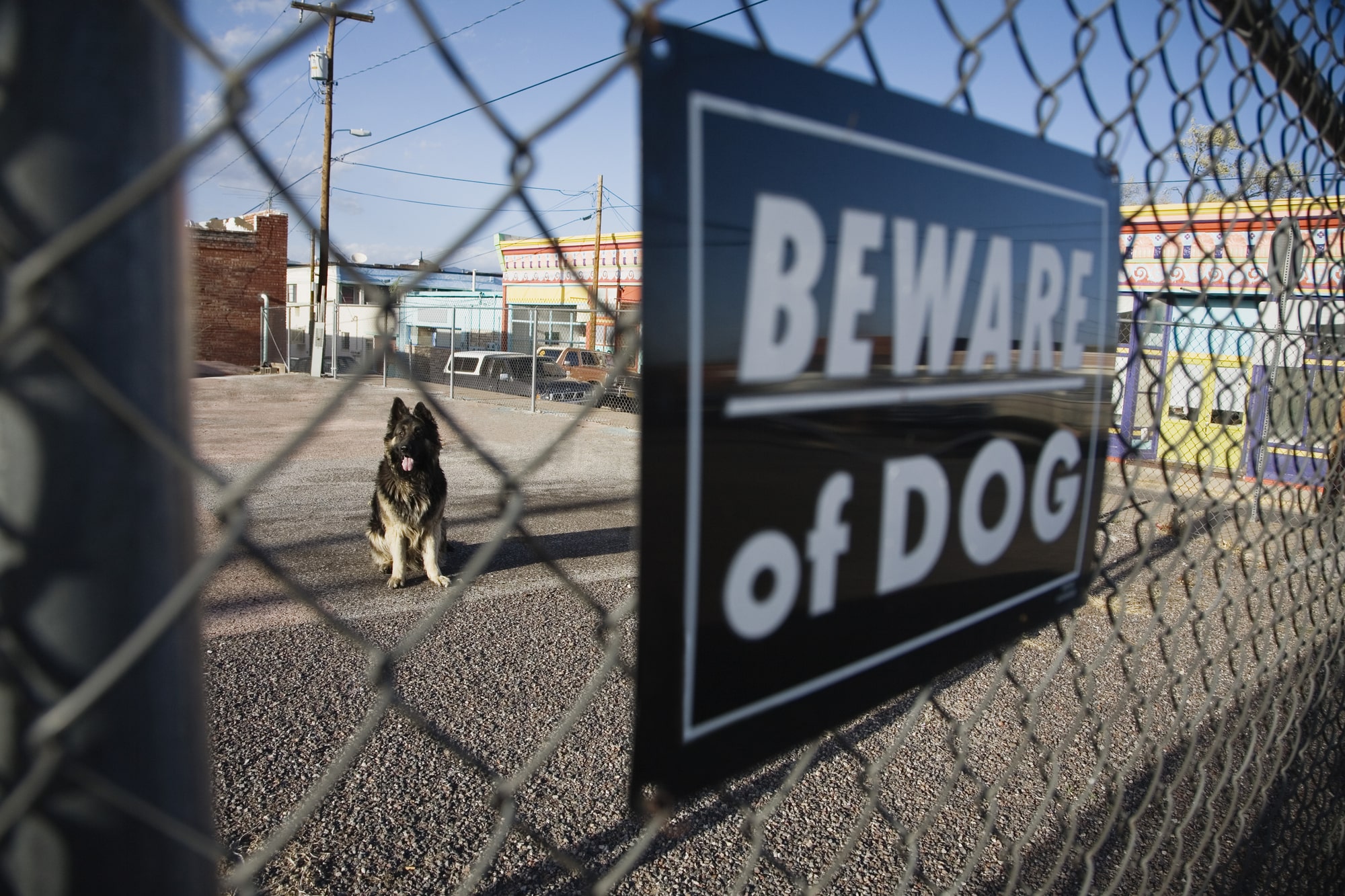
Were you injured in a dog bite accident in New Jersey?
At the Law Offices of David A. DiBrigida, we have handled dog bite claims for injured New Jersey residents since 1992.
If you were bitten by a dog, you can pursue the applicable homeowners or renters insurance coverage for your claim instead of seeking payment directly from the owner’s personal savings. A New Jersey dog bite lawyer at this office can deal with the insurer so you can focus on healing from your injuries. Reach out for a free consultation.
Dog Bite Lawyer New Jersey
Every bite involving a domestic companion animal in this state is reportable to the local health department under the state’s companion animal reporting requirements, and the department investigates and observes the animal afterward. The Department of Health has published county-level animal rabies statistics every year since 2001. That report is frequently the only official record a bite victim can obtain.
A dog bite lawyer in New Jersey pursues compensation from the policy covering the animal’s owner. New Jersey holds dog owners to a strict standard, which means an injured person generally does not have to prove the owner was careless or that the animal had bitten anyone before. What remains contested is the extent of the injury, whether the person bitten was lawfully where they were, and whether anything they did provoked the animal.
Types of Dog Bite Cases We Handle in New Jersey
Bite claims divide along two lines: where the attack happened, which determines whose policy responds, and how severe the injury proved, which determines what the claim is worth.
- Bites on private residential property. This is the largest category by far, covering visitors, delivery workers, contractors, and invited guests. A homeowners or renters policy ordinarily provides the coverage, which is why the owner’s personal finances are seldom what a claim reaches.
- Bites in public spaces. These bites occur in parks, on sidewalks, and along trails, where the owner is present and identifiable but the encounter is brief. Names and contact details need recording before anyone leaves, because tracing an owner afterward is considerably harder.
- Bites involving landlords and rental property. Where a landlord knew a dangerous animal was kept on the premises and retained the authority to do something about it, a claim may extend beyond the tenant who owned the dog.
- Premises liability. Stores, kennels, groomers, and veterinary practices answer for animals they undertook to control, and a premises liability claim follows different principles than an owner claim.
- Injuries to children. Children are bitten on the face and head far more often than adults because of their height, and claims on their behalf follow separate rules for filing and settlement. Liability after a minor’s accident is the first question most parents ask.
- Knockdown and chase injuries. A dog can cause fractures by knocking a cyclist down or driving someone off their feet, and those injuries are recoverable on the same basis as a bite.
- Facial injuries and permanent scarring. Disfigurement drives value in these claims well beyond what the treatment itself cost, particularly where a surgeon expects reconstruction will be needed once growth or healing is complete.
- Infection and nerve damage. Puncture wounds appear minor while driving bacteria deep into tissue, and the resulting infection frequently proves more serious than the visible wound.
- Brain injuries. Head trauma is often caused by being knocked to the ground during an attack, especially in children and older adults.
- Catastrophic injuries. Multiple-dog attacks and injuries to small children produce outcomes requiring surgical reconstruction over years.
- Wrongful death. Fatal attacks are rare and devastating, and the claims belong to the estate and the surviving family together.
Why Choose the Law Offices of David A. DiBrigida as My Dog Bite Lawyer in New Jersey?
Claims Against Neighbors and Friends
The hardest part of a bite claim is rarely legal. People hesitate because the owner is a friend, a relative, or someone on the same street, and they assume a claim means taking that person’s money. It does not. An insurer defends and pays, and the relationship survives far better when a lawyer handles the correspondence instead of the two households doing it directly. Animal attack claims are handled by David A. DiBrigida, who has been practicing New Jersey injury law since 1992. Managing that dynamic while still pressing the claim is part of what a personal injury lawyer in New Jersey does. Several reasons to hire counsel come down to exactly this.
This office builds and negotiates claims for injured people exclusively. Litigation, when a claim needs it, is handled by trial counsel with us alongside.
Prior Results in Injury Matters
The case results at this firm reflect millions of dollars recovered since 1992. Each rested on its own evidence. Among them include:
- A retired pedestrian, struck and requiring surgery: $1,200,000
- A young woman with a fractured arm, resolved in four months: $100,000
- A knee that could not be repaired without arthroscopic surgery: $90,000
- Neck and back injuries sustained by a woman of 48: $40,000
There is no charge to have a claim reviewed, and the fee is contingent on recovering something.
What Is Important to Understand About a Dog Bite Case?
Damages, Liability, and Compensation for Dog Bite Cases
Because liability attaches without proof of prior viciousness, these claims turn on damages and on the defenses available. Comparative fault still applies under N.J.S.A. 2A:15-5.1 in the State Library’s statutes database, so an insurer arguing that someone teased the animal or entered where they had no right to be is arguing to reduce the award rather than to defeat it.
A bite claim can recover:
- Emergency and reconstructive treatment. Wound closure, infection management, and the plastic surgery that facial injuries often require later.
- Permanent scarring and disfigurement. Usually the largest single component, and the reason photographs taken during healing matter so much.
- Psychological injury. Fear of dogs, disrupted sleep, and avoidance of places where the attack occurred are documented and compensable, and they persist longest in children.
- Lost income and caregiving. Time away from work, including time a parent takes to care for an injured child. What negotiating a bite settlement involves depends heavily on how well these are documented.
What Are Important Aspects of a Dog Bite Case?
Four things determine how a bite claim resolves.
- The health department report. Reporting the bite creates an official record identifying the animal, its owner, and its vaccination history. Without that record, ownership of the dog can itself become a disputed question months later.
- Photographs during healing. Wounds look worst at particular stages, and scarring is assessed long after. A sequence taken over weeks is far more persuasive than a single image.
- Identifying the right policy. Coverage may come from the owner, a landlord, or a business, and occasionally from more than one of them. Some homeowners policies exclude particular breeds entirely.
- Documented treatment continuity. Infections, revision procedures, and psychological treatment all belong in the record. Each is routinely left out when someone handles the claim alone, and each is difficult to add later.
What Is the Dog Bite Case Timeline?
Bite claims generally resolve faster than other injury matters. Cases involving visible scarring are the exception, and for good reason.
- Reporting and identification. The health department record and the owner’s insurance details are obtained first.
- Wound treatment. This stage covers immediate care, monitoring for infection, and any early surgical repair.
- Scar maturation. Where disfigurement is involved, the claim waits, because scars are evaluated months after healing rather than at closure.
- Demand to the homeowners carrier. Records, photographs, and valuation go to the insurer covering the property.
- Settlement. A release closes the claim permanently, and a settlement involving a child requires additional approval before any funds are released.
What Should You Bring to Your Dog Bite Consultation?
Photographs carry more weight in these matters than paperwork does, and whatever images you already have are sufficient for a first meeting.
- Pictures of the injury, taken as soon after the attack as possible and at intervals since
- The name and address of the dog’s owner, if you have them
- Any report number from the police or the local health department
- Records from the emergency room and any follow-up treatment
Expect questions about where you were standing and what happened in the moments before the bite, since those facts drive the only defenses realistically available to an insurer. Two years from the date of the bite is the general filing period under N.J.S.A. 2A:14-2, and the Judiciary publishes guidance on civil claims for anyone wanting to understand the process.
Reach Out to the Law Offices of David A. DiBrigida to Schedule a Consultation
An injury caused by another person’s dog should not become the injured person’s financial burden. Contact us and we will identify the policy that responds and explain what the injury is likely to be worth. The review is free, and no fee applies unless the claim recovers something. Messages are answered promptly, and nothing is owed for that first conversation.