
New Jersey Rideshare Accident Lawyer
New Jersey Rideshare Accident Attorney
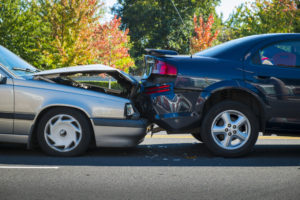 A New Jersey rideshare accident attorney knows that one of the most convenient ways to get around is through different ridesharing services, such as Uber and Lyft. These services can help multiple people share a car (reducing the need for extra cars to be on the road), they can allow you to get to your location if you do not have your license or do not drive, and they can keep you and others safe if you have been out celebrating and would otherwise be unable to safely get behind the wheel. While there are many benefits to using ridesharing services, it can also be extra complicated and traumatic when you get into an accident as a passenger. You may not be sure who is at fault, if there is more than one person at fault, or if filing a claim is necessary. When this is the case, you should reach out to a trusted attorney from the Law Offices of David A. DiBrigida.
New Jersey Uber Accident Attorney
In the event that you were in an accident while in an Uber or you were driving and an Uber driver hit you, you may be wondering if you should file your claim against the Uber driver. Some of this will depend on how the Uber driver was using their app at the time of the accident. If the driver was logged into their app and had accepted a ride, then they were “on the clock.” In this instance, your New Jersey rideshare accident attorney could file a claim with Uber’s insurance to recover a limited amount of compensation for property damage and bodily injury. If the driver was not logged into the app and had not accepted a request, you would not be successful in filing a claim with Uber’s insurance but would need to file against the driver’s insurance.
New Jersey Lyft Accident Attorney
Similar to being in an Uber accident, you are going to want to know what makes it possible for you to successfully file a claim against Lyft’s insurance. Like Uber, your attorney will need to show that the Lyft driver was working at the time and was either searching for a passenger or had accepted a ride. Otherwise, your attorney will file a claim against the driver’s personal insurance company.
As with any car accident, your attorney will need to show liability. This means that just because you were injured as a passenger in an Uber or Lyft or if you were hit by an Uber or Lyft driver in another vehicle does not mean you are automatically filing a claim against them or the ridesharing service. Your attorney will check to see who was involved in the accident, whether there might be multiple liable parties, and whether someone else entirely is responsible for the accident.
We also practice these personal injury cases within New Jersey:
- Personal Injury Lawyer
- Car Accident Lawyer
- Bicycle Accident Lawyer
- Motor Accidents Lawyers
- Brain Injury Lawyer
- Motorcycle Accident Lawyer
- Slip & Fall Lawyer
- Premises Liability Attorney
- Truck Accident Lawyer
- Workers Compensation Lawyer
- Wrongful Death Lawyer
Because of how complicated things can become when you have been injured as a result of a rideshare accident, it is crucial you speak with an attorney you can count on, such as one from the Law Offices of David A. DiBrigida. Call our New Jersey rideshare accident attorney now.
Types of Rideshare Accident Cases We Handle
When you’re injured in an accident involving Uber, Lyft, or another rideshare company, the aftermath can feel overwhelming. Questions about liability, insurance coverage, and medical bills can pile up quickly. That’s where having our experienced rideshare accident lawyer makes all the difference. Respected personal injury lawyer David A. DiBrigida has a proven track record and has settled thousands of personal injury cases in his 20 years of legal practice. 95% of all his cases are settled with the insurance company. Those clients never had to step foot in a courtroom to secure the compensation they deserved. At our firm, we handle a wide range of rideshare accident claims. Below are the main types of cases we help clients with.
Accidents Caused by Rideshare Drivers
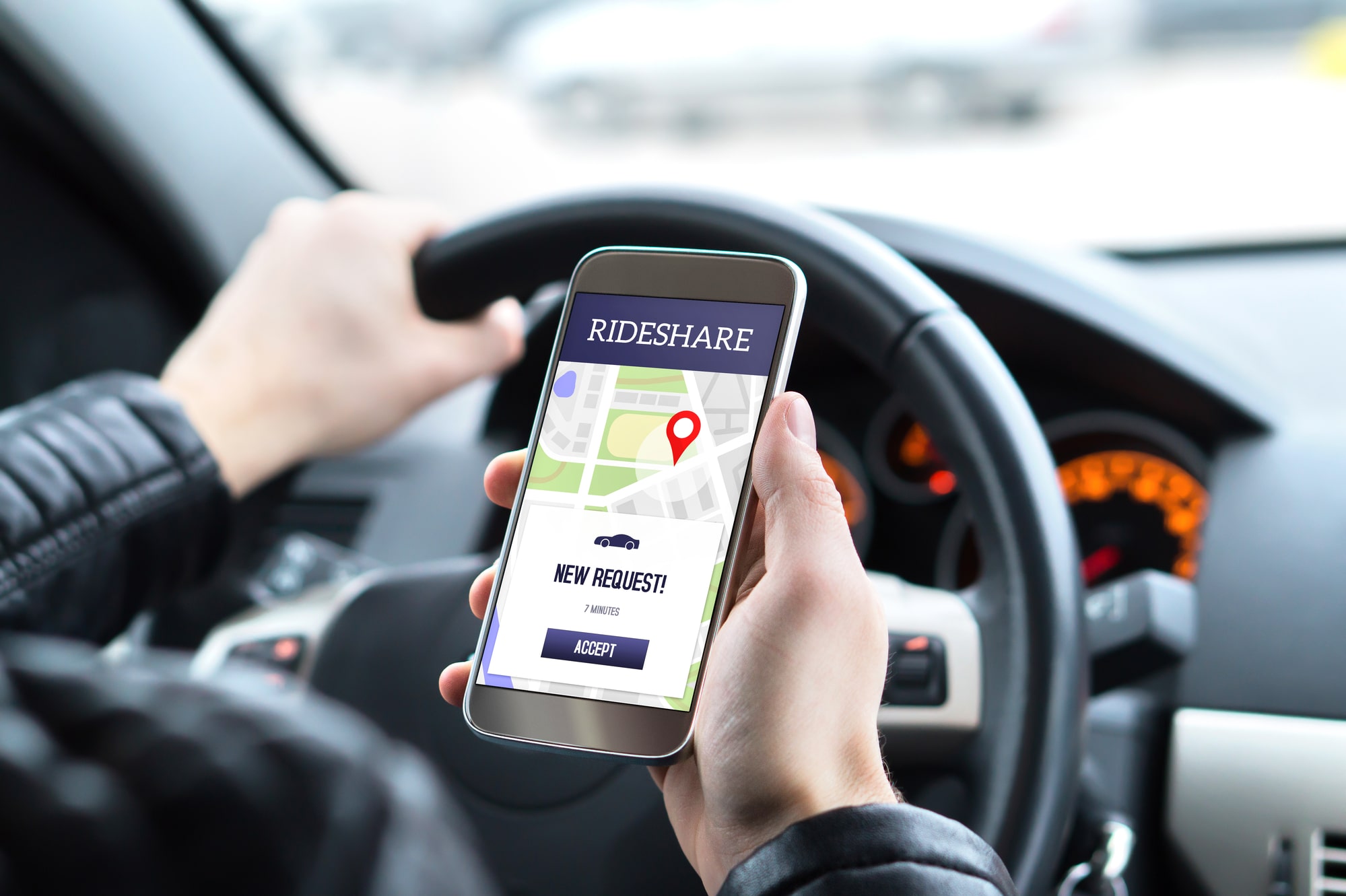
Sometimes, the rideshare driver is at fault for the crash. Whether they were distracted by their app, speeding to pick up a passenger, or driving recklessly to complete a ride, these actions can lead to serious accidents. In these cases, we investigate the circumstances and pursue compensation through the rideshare company’s insurance policy, which may offer higher coverage than a personal auto policy.
Accidents Caused by Other Drivers
In many situations, another driver—not the rideshare driver—is responsible for the crash. For example, another vehicle may run a red light, rear-end the rideshare car, or fail to yield. In these situations, we pursue claims against the at-fault driver’s insurance company while making sure our client receives full coverage for medical expenses, lost wages, and other damages.
Passenger Injuries in Rideshare Vehicles
If you were a passenger in an Uber or Lyft when an accident occurred, you may be entitled to compensation regardless of who was at fault. We often represent passengers injured while simply riding to their destination. Our rideshare accident lawyer carefully examines insurance policies from both the rideshare company and any other drivers involved, so that you are not left with uncovered expenses.
Pedestrian and Cyclist Rideshare Accidents
Unfortunately, rideshare drivers can strike pedestrians or cyclists, especially in congested urban areas where drivers are focused on their apps and not the road. These accidents can result in catastrophic injuries. We represent pedestrians and cyclists hit by rideshare vehicles and work aggressively to hold the driver and company accountable.
Multi-Vehicle Rideshare Collisions
Rideshare accidents often involve multiple vehicles, which can make determining liability more challenging. Our team is experienced in sorting through complicated accident scenes, identifying responsible parties, and ensuring that you receive compensation from the right insurance policies. These cases require a detail-oriented approach to build a strong claim.
Wrongful Death Rideshare Claims
When a rideshare accident results in the tragic loss of life, the surviving family may file a wrongful death claim. We represent families seeking justice for their loved ones, helping them pursue compensation for funeral expenses, loss of financial support, and emotional suffering. These cases are among the most difficult, and we approach them with the compassion and dedication they deserve.
Recovering Damages For Your Rideshare Accident Case
If you or a loved one has been injured in a rideshare-related accident, you need a knowledgeable advocate on your side. Working with our trusted rideshare accident lawyer can give you peace of mind and a higher likelihood of a fair settlement. At the Law Offices of David A. DiBrigida, we bring decades of experience and a strong history of results to every case. With over 600 5-star Google reviews, our commitment to client satisfaction is clear. We know the stress an accident can cause, and we work hard to make the legal process as smooth as possible. Let our experience, proven success, and dedication work for you. Contact our office today to schedule a free consultation.