
New Jersey Truck Accident Lawyer
Should you hire a NJ Truck Accident Lawyer for your injury claim?
Don’t allow an accident with a truck to wreak havoc on your future.
Instead, find a truck accident attorney to assist you in receiving the compensation you deserve.
In most cases, truck accident victims will sustain severe psychological and physical wounds, which can lead to skyrocketing medical expenses and other long-term financial difficulties. After a truck accident, you must take necessary legal action to pursue the compensation you deserve and need.
Whether you have been slightly or seriously injured, a New Jersey truck accident lawyer from the Law Offices of David A. DiBrigida can help guide you back to normalcy.

Understanding Insurance Company Tactics
Why is getting a competent legal representative important? Insurance service providers will try everything they possibly can to minimize or completely discredit the compensation claim after your collision.
Insurance companies may attempt to trick you into providing a statement that downplays the extent of your injuries and/or suggests that you are responsible for the crash. They may also present a significantly reduced settlement offer that isn’t enough to cover all your needs from the start.
Enlisting the services of a truck accident lawyer from the beginning can assist in making sure that you receive a fair compensation settlement for the semi-trailer truck accident.
Fault in New Jersey Commercial Trucking Wrecks
To receive reimbursement for injuries suffered, you and your attorney will have to definitively prove that the truck collision was a result of somebody else’s negligence. Although in most cases liability is pinned on the truck driver, it’s not always the reality.
This is because other various parties can be responsible for commercial truck accidents.
Here are some factors that could assist in proving the liability of another party in your truck collision:
- Drowsy Driving – In the event that a driver is found to have been fatigued or tired at the time the accident occurred, it can act as evidence of liability. Legally speaking, truck drivers can’t drive for more than 70 hours a week. A breach in this rule, for example, could assist in proving the negligence of the truck owner, truck driver, or trucking service provider.
- Distracted Driving – Common distractions for truckers include radios, phones, and other communication devices. In the case a commercial trucker was distracted at the time the crash occurred, that could act as proof of negligence.
- Driving Under the Influence – Driving while drunk is grossly negligent. In the event your attorney can prove the semi-truck driver that crashed into you was under the influence of alcohol or drugs when the accident happened, you have a strong legal basis to get the reimbursement you deserve.
- Unsecured Cargo – If the cargo strapped on the truck is secured incorrectly, then there’s a chance third parties can be involved. Whether it’s because of faulty parts or due to the cargo loaders’ negligent act.
- Dangerous Roads – If the conditions of the road where the accident happened are considered unsafe, you can point to the New Jersey government entity that’s responsible for the roads when making your compensation claim. Dangerous road conditions encompass anything from an inadequate number of street lights to broken stoplights.
Pointing out the right party in your claim is a vital step in receiving the reimbursement you deserve. Another vital step is finding all the liable parties that will assist in maximizing the compensation you receive.
Comparative Negligence in your Truck Accident Case
There’s a provision in New Jersey statutes that can complicate issues when it comes to pure comparative negligence. Comparative negligence essentially means that several parties can share liability for an accident, regardless of each party’s role.
That is to say that the truck driver can be 90% liable for the accident, and the remaining 10% left for you to take care of. So, you would get 10% less reimbursement than if you weren’t to blame at all.
A professional truck accident attorney can help show you reasons why you are not to blame for the semi-trailer truck collision and exactly how the injuries sustained have affected your way of living.
Truck Accident Compensation in New Jersey
To receive the restitution, you will have to prove without a doubt that the crash resulted in severe losses for you. Your truck accident attorney will assist you in compiling a list of all the different ways your 18-wheeler crash has affected your healthy life.
After getting involved in a truck accident, you may be eligible to get compensation for the following damages:
- Costs related to replacing or repairing your car
- Lost wages or earning capabilities
- Emotional distress
- Pain and suffering
- Worsened quality of life
- Accommodations created on your property for your injury
- Wrongful death
- Common Truck Accident Injuries
- Any medical care considered necessary, whether in the past, present, or future
To build an airtight case, you and your lawyer will have to assess the exact nature and extent of your psychological and physical injuries. Evidence of the seriousness of your injuries will assist in dictating the amount of payment you receive.
Semi-truck collisions can result in a whole host of severe injuries, including:
- Traumatic brain injuries, including brain tearing and concussions
- Spinal injuries, including those leading to any form of paralysis
- Ocular or facial damage
- Fractured or broken bones
- Organ damage and internal bleeding
- Amputations
NJ Truck Accident FAQ
In your pursuit of getting compensated for your truck accident injuries, you will likely have some questions.
We have the answers. We have answered the most common questions asked when it comes to truck accident injury claims in New Jersey. Your lawyer can explain any case-specific inquires you may have.
What evidence will my NJ truck accident lawyer use to make my case?
Your truck accident attorney will compile as much evidence they can get to bolster your compensation claim. Some of the pieces of evidence your lawyer will review include medical records proving your injuries, witness statements, videos, and pictures taken of the accident and the police report related to your accident.
Can I name multiple parties in my NJ truck accident claim?
Yes. You can name every party that’s at fault for your truck crash when making an injury claim. Considering that the trucking industry is complex and broad, you might discover there were various parties involved that caused the accident. Some of these negligent parties may include the trucking company, the truck driver, the defective truck part manufacturer, the cargo loader, and the government entity mandated with maintaining and keeping the roads safe.
Will I have to go to court for my claim?
You will only have to go to trial if the insurer or trucking company doesn’t offer an adequate settlement out of the trial but other side of the table wants a solution out of court; given that the reimbursement amount awarded in court is usually higher compared to an out-of-court agreement.
Your Comprehensive Guide To Large Vehicle Collisions
A New Jersey truck accident lawyer understands the overwhelming feelings that follow a collision involving a large vehicle. Such incidents can have profound impacts on your life, health, and financial well-being. This guide aims to provide you with essential information and support to help you through these challenging times.
1. The Unique Challenges Of Large Vehicle Accidents
Accidents involving large vehicles, such as trucks, pose unique challenges due to their size, weight, and operational requirements. These collisions often result in more significant damage and serious injuries compared to standard vehicle accidents. Understanding the dynamics of these crashes is crucial in building a strong case.
2. Common Causes And Contributing Factors
Several factors contribute to large vehicle accidents, including but not limited to driver fatigue, improper loading, mechanical failures, and challenging road conditions. Identifying the root cause is vital in determining liability and pursuing compensation.
3. What To Do Immediately After An Accident
If you find yourself involved in an accident with a large vehicle, your priority should be safety. Ensure you and your passengers are out of harm’s way before calling emergency services. Documenting the scene with photos, gathering witness information, and noting down your version of events will be invaluable later on.
4. Understanding Liability And Negligence
Liability in large vehicle accidents can be complex, with multiple parties potentially at fault. This could include the driver, the vehicle owner, the company responsible for its operation, or even the manufacturer. Pinpointing negligence is a critical step in the legal process, requiring thorough investigation and evidence gathering.
5. The Importance Of Medical Documentation
Seeking prompt medical attention not only addresses your health concerns but also provides essential documentation of your injuries. This medical evidence is a cornerstone of your claim, linking the accident to your injuries and their impact on your life.
6. Navigating The Claims Process
Filing a compensation claim involves detailed documentation, from the accident report to your medical records and evidence of financial losses. Understanding the claims process is essential in ensuring you’re fairly compensated for your injuries and other damages.
7. Why Legal Support Is Crucial
Pursuing a claim against a trucking company or insurance carrier can be daunting. These entities have vast resources at their disposal, including legal teams dedicated to minimizing payouts. Having a New Jersey truck accident lawyer by your side levels the playing field, providing you with the knowledge and resources to secure the compensation you deserve.
We’re Here To Help
A New Jersey truck accident lawyer knows how challenging the aftermath of a large vehicle collision can be. You don’t have to face this alone. Our team at the Law Offices of David A. DiBrigida is committed to offering personalized support, guiding you through the claims process, and fighting for your rights every step of the way. If you or a loved one has been involved in such an accident, we encourage you to reach out to us. Let us take on the legal burdens so you can focus on what matters most: your recovery and well-being.
Truck Accident FAQs
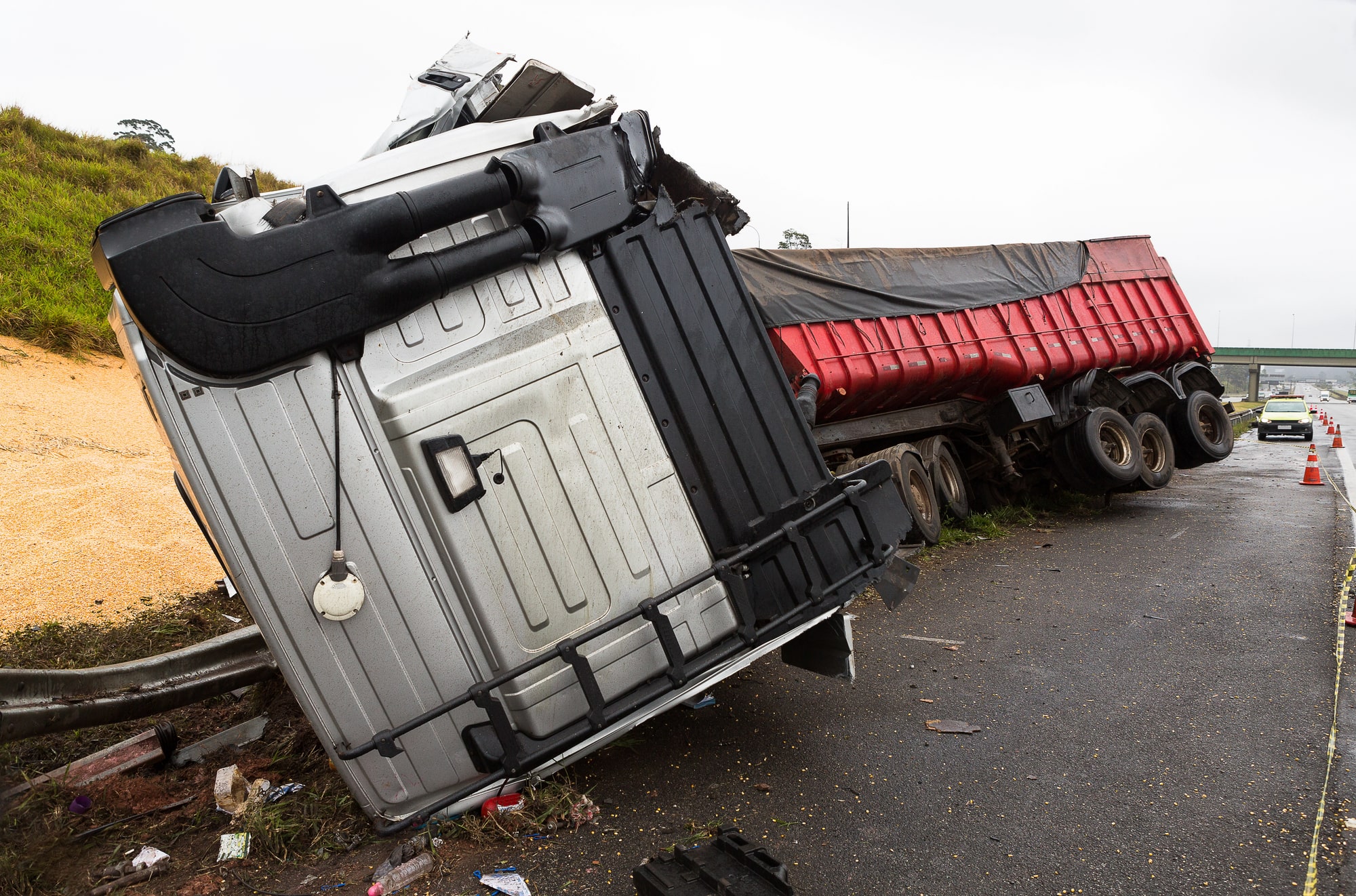
Truck accidents can result in devastating injuries, significant property damage, and emotional trauma. Because commercial trucks are much larger and heavier than passenger vehicles, collisions often lead to severe outcomes, including spinal injuries, traumatic brain injuries, or wrongful death. If you or a loved one has been involved in a truck crash, consulting our experienced truck accident lawyer can help protect your legal rights and secure the compensation you need. At the Law Offices of David A. DiBrigida, our team has successfully handled hundreds of truck accident cases and recovered millions for clients while providing compassionate, client-focused guidance.
What Causes Most Truck Accidents?
Truck accidents can result from a variety of factors, including driver fatigue, distracted driving, speeding, equipment failure, or improper loading. Hazardous weather conditions, poorly maintained roads, and negligent trucking companies can also contribute to crashes. Our commercial trucking accident lawyer will investigate all potential causes, including reviewing driver logs, maintenance records, and accident reports to establish liability and pursue fair compensation.
Who Can File a Truck Accident Claim?
Typically, anyone injured in a truck accident—including drivers, passengers, or pedestrians—can file a personal injury claim. Family members of those killed in a truck collision may pursue wrongful death claims. Our knowledgeable truck accident lawyer can help determine eligibility, guide you through the filing process, and represent your interests against large insurance companies and corporate trucking entities.
What Types of Compensation Are Available?
Victims of truck accidents may recover damages for medical expenses, rehabilitation costs, lost income, property damage, pain and suffering, and long-term care needs. In some cases, punitive damages may also be available if gross negligence or recklessness is involved. Our personal injury attorney will explore all potential avenues for compensation to maximize your recovery.
How Long Do I Have to File a Claim?
The statute of limitations varies by state but generally ranges from one to three years for personal injury or wrongful death claims arising from truck accidents. Filing promptly is critical to preserving your rights and ensuring evidence is available. Our skilled truck accident attorney will monitor deadlines, gather essential documentation, and prepare your case carefully to support a strong claim.
How is Liability Determined in Truck Accidents?
Determining liability often involves multiple parties, including the truck driver, trucking company, vehicle manufacturers, and sometimes third-party contractors. Investigations may include analyzing driver logs, reviewing maintenance and inspection records, obtaining eyewitness accounts, and consulting accident reconstruction experts. Our personal injury legal team coordinates these efforts to build a compelling case and hold the responsible parties accountable. We leverage proof of fault when pursuing damages after a truck accident.
Recovering Damages After a Truck Accident
Truck accidents can change lives in an instant, but victims do not have to face the aftermath alone. At the Law Offices of David A. DiBrigida, our truck accident lawyer with three decades of experience will guide you through every step of the legal process. Our team has a proven track record of securing significant compensation for accident victims while providing compassionate support for their families. Call or text today to schedule a risk-free, no-obligation consultation and take the first step toward protecting your rights.
We also practice these personal injury cases within New Jersey:
- Personal Injury Lawyer
- Car Accident Lawyer
- Bicycle Accident Lawyer
- Motor Accidents Lawyers
- Brain Injury Lawyer
- Motorcycle Accident Lawyer
- Slip & Fall Lawyer
- Premises Liability Attorney
- Rideshare Accident Lawyer
- Workers Compensation Lawyer
- Wrongful Death Lawyer
Contact a New Jersey Semi-Truck Accident Attorney
The impact of an 18-wheeler or semi-truck crash can shake you right to the core and throw out your sense of financial and physical wellbeing. In the case that injuries sustained as a result of the truck accident weren’t your fault, you are entitled to compensation. You’ll first have to tussle with reluctant insurance service providers and large trucking companies to get it.
David A. DiBrigida, handles truck accident injury cases. He will evaluate the factors contributing to the value of your damages and personally handle your case from start to finish.
To protect your legal rights, call David A. DiBrigida today at 800-322-5529 for a FREE consultation.