
Posted in Workers' Compensation
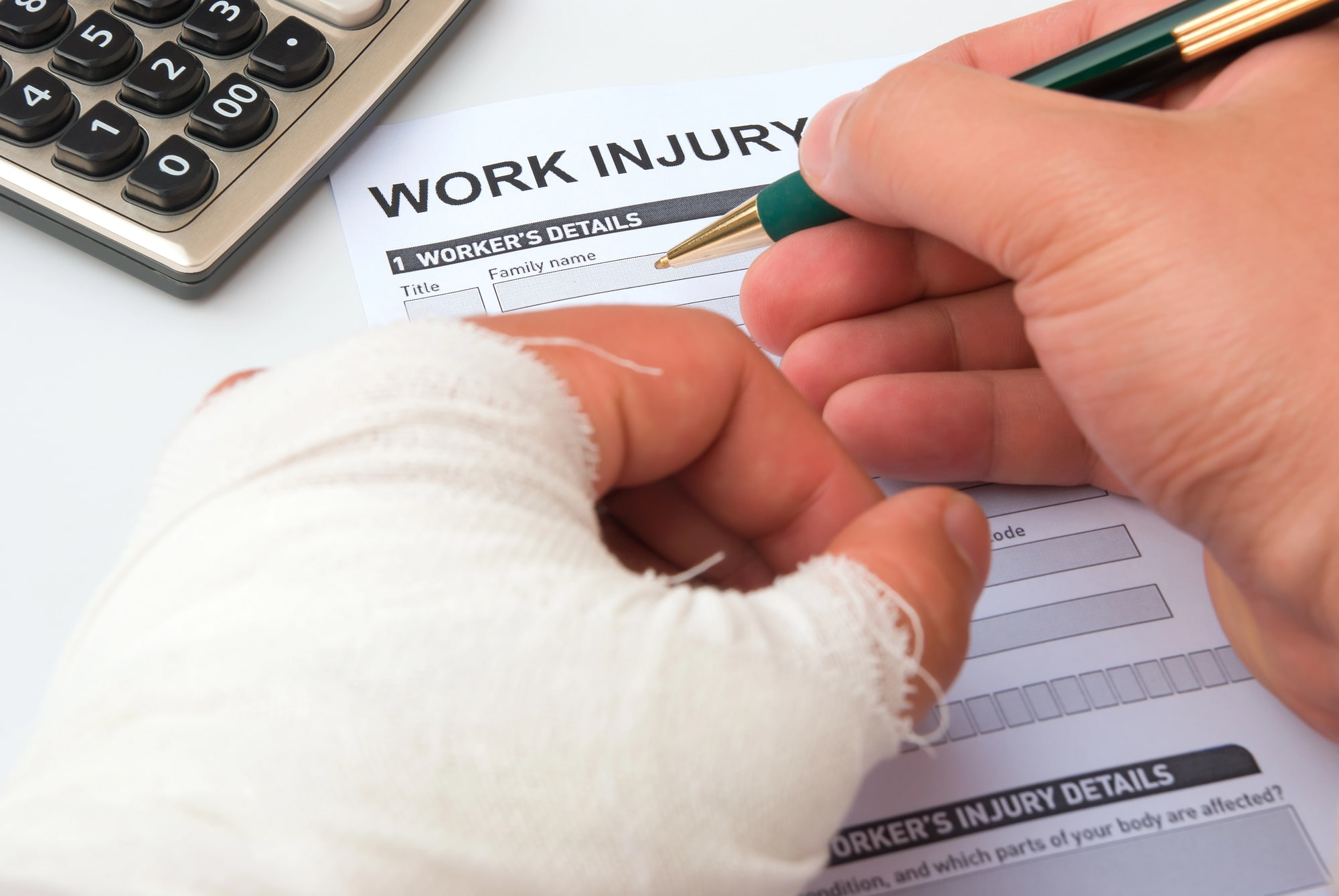
A contractor working at the EMR scrap metal recycling facility in Camden sustained severe injuries last month while helping to dismantle an old crane. Incidents of this nature raise questions that extend beyond immediate medical care, particularly for workers who are not direct employees of the site owner. New Jersey law addresses these situations through two distinct avenues, and understanding the difference is often the starting point for an injured worker.
What Occurred at the Camden Facility
Action News reported that a contractor’s arm and torso were impaled by a piece of blow torch during work to disassemble an old crane on July 18, and that two additional workers suffered burns. The same facility had been ordered to suspend operations in June following several fires, and was subsequently permitted to reopen.
Details of that account were reported by 6abc Action News, and the circumstances reflect a pattern seen throughout heavy industry in South Jersey, where contractors, subcontractors, and site employees frequently work in close proximity under separate employers.
Benefits Available Through the Workers’ Compensation System
New Jersey’s system is designed to provide defined benefits without requiring proof of employer fault. Where a work-related injury or death has occurred, the employer is directly liable for medical expenses, temporary disability, and permanent disability or dependency benefits.
In practice, an injured worker’s claim may involve:
- Authorized medical treatment related to the workplace injury
- Temporary disability benefits during the recovery period
- Permanent partial or permanent total disability awards
- Dependency benefits in the event of a work-related death
- Reimbursement issues tied to prescriptions, therapy, and follow-up care
Employment Status Deserves Early Attention
When a worker is engaged as a contractor rather than a direct employee, the first question is which entity carries the compensation obligation. That answer is not always apparent from the job site itself. A worker may be employed by a staffing agency, a subcontractor, or a specialty firm brought in for a specific project, while the premises belong to another company entirely.
Employment classification is frequently disputed. A New Jersey workers’ compensation lawyer can review the contracts, payroll records, and site agreements that determine which carrier is responsible.
Claims Against Parties Other Than the Employer
The compensation system generally limits what an injured worker may recover from an employer. It does not, however, foreclose claims against other parties whose conduct contributed to the injury. Equipment manufacturers, property owners, and separate contractors operating on the same site may bear responsibility depending on the facts.
New Jersey accounts for this overlap directly. Under N.J.S.A. 34:15-40, the employer and its insurance carrier are entitled to a credit for amounts recovered from a third party that caused a compensable work-related injury, a provision intended to prevent duplicate recovery for the same injury and disability. The interaction between the two claims requires careful coordination.
When a Claim Is Denied or Delayed
Disputes are common, particularly in cases involving contractors. Where entitlement to benefits is contested, a worker may file either a formal Claim Petition or an Application for an Informal Hearing with the Division of Workers’ Compensation. A New Jersey workers’ compensation lawyer can assess which route fits the circumstances.
If you were injured at an industrial site and are uncertain how to proceed, the Law Offices of David A. DiBrigida is available to review your circumstances and explain the benefits and claims that may apply. Contact our office to discuss your situation.