
Jersey City Slip And Fall Lawyer
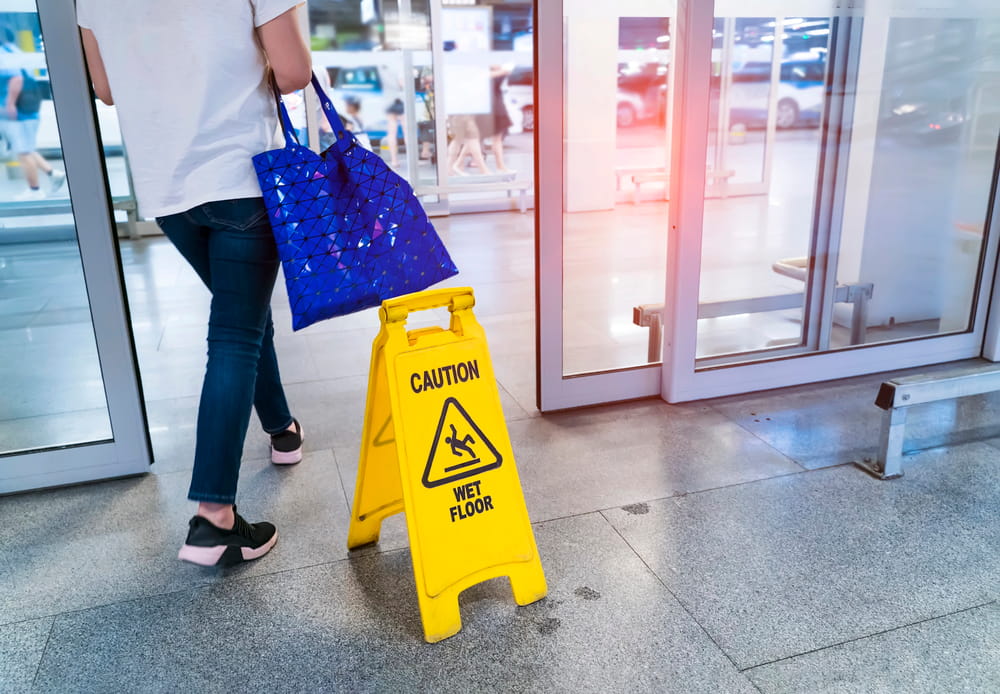
Were you injured in a slip and fall accident in Jersey City, NJ?
At the Law Offices of David A. DiBrigida, we offer a free, confidential case review with a Jersey City slip and fall attorney who has represented injured people since 1992.
If you fell on an icy sidewalk, a wet store floor, or a broken stairway in Jersey City, an attorney can determine who was responsible for the hazard and pursue compensation from that party’s insurer. Fall claims are decided on notice, maintenance, and property classification, the questions insurers use to deny liability. Our Jersey City, NJ slip and fall lawyer has handled premises claims against property insurers since 1992 and personally directs each case. There is no charge for the first meeting at the Law Offices of David A. DiBrigida, and attorney fees are owed only if money is recovered.
Slip and Fall Lawyer Jersey City, NJ
A slip and fall case is a premises liability claim brought by someone who was hurt because a property owner, tenant, or manager failed to exercise reasonable care in maintaining the premises. The claim centers on the hazard that caused the fall, whether the responsible party knew or should have known about it, and whether there was a reasonable chance to fix it or warn about it.
Every five minutes, a New Jersey resident aged 60 or older is treated in an emergency room for a fall, and hospitals treated nearly 99,000 falls among older adults statewide in 2022, according to state fall data. A Jersey City slip and fall attorney identifies the responsible party quickly, because surveillance footage disappears within days.
Types of Slip and Fall Cases We Handle in Jersey City
The location of a fall determines who is responsible, which insurance policy applies, and how quickly notice must be given. We have handled premises liability claims across Hudson County for more than three decades, and the public place injuries below are the ones a slip and fall lawyer in Jersey City sees most often.
- Snow and ice falls. Jersey City’s snow regulations place sidewalk clearing on property owners within hours after snowfall ends, with a shorter window for businesses. Refrozen meltwater, untreated entryways, and plowed piles that block walkways cause many of the winter falls we handle.
- Retail store falls. Spilled liquids, unmarked wet floors, and merchandise left in aisles injure shoppers in supermarkets and big-box stores along Route 440 and in the Newport area. We request the store’s incident report and video immediately.
- Apartment and rental property falls. Landlords must maintain common areas such as lobbies, hallways, stairwells, and exterior steps. Poor lighting, loose railings, and worn treads are frequent causes of tenant and visitor injuries.
- Restaurant and bar falls. Kitchen grease tracked into dining areas, crowded entryways, and steps without contrast markings produce falls in the restaurant districts along Newark Avenue and Grove Street.
- Parking lot and garage falls. Potholes, unpainted wheel stops, oil slicks, and unlit ramps are hazards the owner controls. Garages serving downtown offices and the PATH stations produce many of these claims.
- Stairway falls. Uneven riser heights, missing handrails, and loose carpeting violate basic maintenance obligations and cause serious fractures and head injuries.
- Pedestrian accidents. Liability for a public sidewalk depends heavily on whether the adjoining property is commercial or residential, and on whether the hazard was created by the owner. When a vehicle is involved, the claim becomes a pedestrian accident claim with different insurance rules.
- Falls on public property. Injuries in parks, at transit stops, and inside government buildings involve claims against a public entity, which follow separate rules with short notice periods. These claims must be started right away.
- Workplace and delivery falls. A worker who falls on a customer’s premises may have a claim against that property owner in addition to any workers’ compensation benefits.
Why Choose the Law Offices of David A. DiBrigida as my Slip and Fall Lawyer in Jersey City, NJ?
Premises Claims Built on Evidence of Notice
Property insurers deny most fall claims on a single argument: the owner did not know about the hazard. David A. DiBrigida has answered that argument for more than 30 years, since his admission to the New Jersey and Pennsylvania bars in 1992. Our personal injury lawyer in Jersey City, NJ sends preservation demands for video before it is overwritten, obtains maintenance and inspection logs, and locates the employees who were on shift. That preparation is the reason our firm has recovered millions of dollars for injured clients.
One Attorney From Intake to Settlement
David handles every case personally from start to finish. Fall cases are accepted on a contingency basis, so there is no attorney fee unless money is recovered for you. Our Hoboken office is minutes from Jersey City, calls are answered 24 hours a day, and we provide transportation to appointments for clients who cannot drive after an injury. Nearly all of our cases settle without the client appearing in court.
What Is Important to Understand About a Slip and Fall Case?
Damages, Liability, and Compensation for Slip and Fall Cases
Liability in a fall case rests on the duty a property owner owes to the people on the premises. New Jersey’s visitor duty rules draw distinctions between customers, social guests, and trespassers, and a business owes its customers the highest level of care. The injured person must show that a dangerous condition existed, that the owner knew or should have known about it, and that the owner failed to act within a reasonable time. Establishing liability in fall cases depends on evidence of how long the hazard was present.
N.J.S.A. 2A:15-5.1 governs shared fault. A person who fell still recovers when that person’s negligence was not greater than the negligence of the party being sued, though the award shrinks by the injured person’s share of fault. Insurers argue phone distraction, improper footwear, or an ignored warning sign in nearly every case.
Recoverable damages include:
- Emergency care, surgery, physical therapy, and follow-up treatment
- Wages lost during recovery and reduced ability to work afterward
- Pain and suffering, including the loss of mobility and independence
- Assistive equipment and home modifications for lasting injuries
- Future medical costs where the injury is permanent
Unlike a car accident claim, a fall has no automatic no-fault medical coverage, so your own health plan usually pays first. How health insurance fits into the recovery is something we address at the start.
What Are Important Aspects of a Slip and Fall Case?
The first 48 hours after a fall decide most premises cases. Store video systems overwrite footage on short cycles, hazards get cleaned up, and witnesses leave without giving their names. Property owner obligations are only enforceable when the condition that violated them can be proven.
- Report the fall to the manager, landlord, or owner and ask for a written incident report
- Photograph the hazard, the surrounding area, and your footwear before anything changes
- Get names and phone numbers from anyone who saw the fall or the condition
- Seek medical treatment the same day, even if the pain seems manageable
- Keep the shoes and clothing you were wearing, unwashed, in case they become evidence
What Is the Slip and Fall Case Timeline?
Fall claims tend to take longer than vehicle claims because liability is contested more often and injuries such as hip fractures and back injuries require extended treatment before their permanence is known.
- Immediate evidence preservation, including a written demand that the owner retain video
- Identification of the owner, the tenant, the management company, and each insurer
- Medical treatment and record collection, often lasting several months
- A demand package once your physicians define the lasting effects
- Settlement talks with the insurer, while the two-year deadline under N.J.S.A. 2A:14-2 is tracked from the first day
What Should You Bring to Your Slip and Fall Consultation?
A fall claim depends on specifics, and the meeting produces a clearer answer when we can see them.
- The address of the property and the name of the business or landlord
- Photos or video of the hazard and the scene
- The incident report or the name of the person you reported the fall to
- Witness contact information
- Medical records, discharge instructions, and bills received so far
- The shoes you were wearing at the time
The consultation is free and takes place at our Hoboken office or by phone. We will explain who appears to be responsible, what evidence still needs to be secured, and how the claim will proceed.
Most Dangerous Locations for Slip and Fall Accidents in Jersey City
CDC fall data identifies falls as the most common cause of traumatic brain injury among older adults, and the locations below account for many of the fall claims we handle in the city.
Sidewalks and streets:
- Newark Avenue. The pedestrian mall and surrounding restaurant blocks combine heavy foot traffic, outdoor dining, and delivery activity that leaves spills on the walkway.
- Bergen Avenue and Kennedy Boulevard. Long commercial corridors with sidewalks that abut hundreds of individual storefronts, each with its own snow removal and maintenance responsibilities.
- Central Avenue in the Heights. A dense business district with older sidewalks, cellar doors, and grates set into the walkway.
High-traffic properties:
- Journal Square Transportation Center. PATH platforms, stairways, and bus lanes carrying commuters through wet and icy conditions every winter morning.
- Newport Centre and the waterfront retail corridor. Mall interiors, parking decks, and plaza walkways maintained by large commercial owners.
- Route 440 shopping centers. Big-box parking lots with cart corrals, curb cuts, and long walks from the car to the entrance.
- Hudson-Bergen Light Rail stations. Elevated platforms and stair access at stops from Liberty State Park to Bergenline.
Reach Out to the Law Offices of David A. DiBrigida to Schedule a Consultation
A fall on someone else’s property is not something you have to absorb on your own. We offer a free case review, and every slip and fall claim is handled on a contingency basis with no fee unless we recover. Contact us to speak with a Jersey City, NJ slip and fall attorney about what happened.